Hungry Generation লেবেলটি সহ পোস্টগুলি দেখানো হচ্ছে৷ সকল পোস্ট দেখান

রবিবার

হাংরি জেনারেশন সাহিত্য আন্দোলনের সফলতার কারণ : অভিজিত পাল

 হাংরি জেনারেশন সাহিত্য আন্দোলন কেন সার্থক : অভিজিত পাল


বাংলা সাহিত্যে ষাটের দশকের হাংরি জেনারেশনের ন্যায় আর কোনও আন্দোলন তার পূর্বে হয় নাই । হাজার বছরের বাংলা ভাষায় এই একটিমাত্র আন্দোলন যা কেবল সাহিত্যের নয় সম্পূর্ণ সমাজের ভিত্তিতে আঘাত ঘটাতে পেরেছিল, পরিবর্তন আনতে পেরেছিল। পরবর্তীকালে তরুণ সাহিত্যিক ও সম্পাদকদের সাহস যোগাতে পেরেছে । 


১ ) হাংরি জেনারেশন আন্দোলনের প্রথম ও প্রধান বৈশিষ্ট্য হলো তাঁরা সাহিত্যকে পণ্য হিসাবে চিহ্ণিত করতে অস্বীকার করেছিলেন । কেবল তাই নয় ; তাঁরা এক পৃষ্ঠার লিফলেট প্রকাশ করতেন ও বিনামূল্যে আগ্রহীদের মাঝে বিতরণ করতেন । তাঁরাই প্রথম ফোলডার-কবিতা, পোস্ট-কার্ড কবিতা, ও পোস্টারে কবিতা ও কবিতার পংক্তির সূত্রপাত করেন । পোস্টার এঁকে দিতেন অনিল করঞ্জাই ও করুণানিধান মুখোপাধ্যায় । ফোলডারে স্কেচ আঁকতেন সুবিমল বসাক  । ত্রিদিব মিত্র তাঁর ‘উন্মার্গ’ পত্রিকার প্রচ্ছদ নিজে আঁকতেন। পরবর্তীকালে দুই বাংলাতে তাঁদের প্রভাব পরিলক্ষিত হয় ।


২ ) হাংরি জেনারেশন আন্দোলনের গুরুত্বপূর্ণ অবদান প্রতিষ্ঠানবিরোধিতা । তাঁদের আগমনের পূর্বে প্রতিষ্ঠানবিরোধিতা করার কথা সাহিত্যকরা চিন্তা করেন নাই । সুভাষ ঘোষ বলেছেন প্রতিষ্ঠানবিরোধিতার অর্থ সরকার বিরোধিতা নয়, সংবাদপত্র বিরোধিতা নয় ; হাংরি জেনারেশনের বিরোধ প্রচলিত সাহিত্যের মৌরসি পাট্টাকে উৎখাত করে নবতম মূল্যবোধ সঞ্চারিত করার । নবতম শৈলী, প্রতিদিনের বুলি, পথচারীর ভাষা, ছোটোলোকের কথার ধরণ, ডিকশন, উদ্দেশ্য, শব্দ ব্যবহার, চিন্তা ইত্যাদি । পশ্চিমবঙ্গে বামপন্হী সরকার সত্বেও বামপন্হী কবিরা মধ্যবিত্ত মূল্যবোধ থেকে নিষ্কৃতি পান নাই । শ্রমিকের কথ্য-ভাষা, বুলি, গালাগাল, ঝগড়ার অব্যয় তাঁরা নিজেদের রচনায় প্রয়োগ করেন নাই । তা প্রথম করেন হাংরি জেনারেশনের কবি ও লেখকগন ; উল্লেখ্য হলেন অবনী ধর, শৈলেশ্বর ঘোষ, সুবিমল বসাক, ত্রিদিব মিত্র প্রমুখ । সুবিমল বসাকের পূর্বে ‘বাঙাল ভাষায়’ কেউ কবিতা ও উপন্যাস লেখেন নাই। হাংরি জেনারেশনের পরবর্তী দশকগুলিতে লিটল ম্যাগাজিনের লেখক ও কবিদের রচনায় এই প্রভাব স্পষ্ট ।


৩ ) হাংরি জেনারেশন আন্দোলনের তৃতীয় অবদান কবিতা ও গল্প-উপন্যাসে ভাষাকে ল্যাবিরিনথাইন করে প্রয়োগ করা । এর প্রকৃষ্ট উদাহরণ মলয় রায়চৌধুরীর কবিতা ও গল্প-উপন্যাস । মলয় রায়চৌধুরী সর্বপ্রথম পশ্চিমবাংলার সমাজে ডিসটোপিয়ার প্রসঙ্গ উথ্থাপন করেন । বামপন্হীগণ যখন ইউটোপিয়ার স্বপ্ন প্রচার করছিলেন সেই সময়ে মলয় রায়চৌধুরী চোখে আঙুল দিয়ে দেখিয়ে দেন ডিসটোপিয়ার দরবারি কাঠামো ।উল্লেখ্য তাঁর নভেলা ‘ঘোগ’, ‘জঙ্গলরোমিও’, গল্প ‘জিন্নতুলবিলদের রূপকথা’, ‘অরূপ তোমার এঁটোকাঁটা’ ইত্যাদি । তিনি বর্ধমানের সাঁইবাড়ির ঘটনা নিয়ে রবীন্দ্রনাথের ‘ক্ষুধিত পাষাণ’ অবলম্বনে লেখেন ‘আরেকবারে ক্ষুধিত পাষাণ’ । বাঙাল ভাষায় লিখিত সুবিমল বসাকের কবিতাগুলিও উল্লেখ্য । পরবর্তী দশকের লিটল ম্যাগাজিনের কবি ও লেখকদের রচনায় এই প্রভাব সুস্পষ্ট ।


৪ ) হাংরি জেনারেশন আন্দোলনের চতুর্থ অবদান হলো পত্রিকার নামকরণে বৈপ্লবিক পরিবর্তন । হাংরি জেনারেশনের পূর্বে পত্রিকাগুলির নামকরণ হতো ‘কবিতা’, ‘কৃত্তিবাস’, ‘উত্তরসূরী’, ‘শতভিষা’, ‘পূর্বাশা’ ইত্যাদি যা ছিল মধ্যবিত্ত মূল্যবোধের বহিঃপ্রকাশ । হাংরি জেনারেশন আন্দোলনকারীগণ পত্রিকার নামকরণ করলেন ‘জেব্রা’, ‘জিরাফ’, ‘ধৃতরাষ্ট্র’, ‘উন্মার্গ’, ‘প্রতিদ্বন্দী’ ইত্যাদি । পরবর্তীকালে তার বিপুল প্রভাব পড়েছে । পত্রিকার নামকরণে সম্পূর্ণ ভিন্নপথ আবিষ্কৃত হয়েছে ।


৫ ) হাংরি জেনারেশন আন্দোলনে সর্বপ্রথম সাবঅলটার্ন অথবা নিম্নবর্গের লেখকদের গুরুত্ব প্রদান করতে দেখা গিয়েছিল । ‘কবিতা’, ‘ধ্রুপদি’, ‘কৃত্তিবাস’, ‘উত্তরসূরী’ ইত্যাদি পত্রিকায় নিম্নবর্গের কবিদের রচনা পাওয়া যায় না । হাংরি জেনারেশন আন্দোলনের বুলেটিনগুলির সম্পাদক ছিলেন চাষি পরিবারের সন্তান হারাধন ধাড়া । সুনীল গঙ্গোপাধ্যায়সহ তৎকালীন কবিরা তাঁর এমন সমালোচনা করেছিলেন যে তিনি এফিডেভিট করে ‘দেবী রায়’ নাম নিতে বাধ্য হন । এছাড়া আন্দোলনে ছিলেন নিম্নবর্গের চাষী পরিবারের শম্ভু রক্ষিত, তাঁতি পরিবারের সুবিমল বসাক,  জাহাজের খালাসি অবনী ধর, মালাকার পরিবারের নিত্য মালাকার ইত্যাদি । পরবর্তীকালে প্রচুর সাবঅলটার্ন কবি-লেখকগণকে বাংলা সাহিত্যের অঙ্গনে দেখা গেল। 


৬ ) হাংরি জেনারেশন আন্দোলনের ষষ্ঠ গুরুত্বপূর্ণ প্রভাব হলো রচনায় যুক্তিবিপন্নতা, যুক্তির কেন্দ্রিকতা থেকে মুক্তি, যুক্তির বাইরে বেরোনোর প্রবণতা, আবেগের সমউপস্হিতি, কবিতার শুরু হওয়া ও শেষ হওয়াকে গুরুত্ব না দেয়া, ক্রমান্বয়হীনতা, যুক্তির দ্বৈরাজ্য, কেন্দ্রাভিগতা বহুরৈখিকতা ইত্যাদি । তাঁদের আন্দোলনের পূর্বে টেক্সটে দেখা গেছে যুক্তির প্রাধান্য, যুক্তির প্রশ্রয়, সিঁড়িভাঙা অঙ্কের মতন যুক্তি ধাপে-ধাপে এগোতো, কবিতায় থাকতো আদি-মধ্য-অন্ত, রচনা হতো একরৈখিক, কেন্দ্রাভিগ, স্বয়ংসম্পূর্ণতা । 


৭) হাংরি জেনারেশন আন্দোলনের পূর্বে লেখক-কবিগণ আশাবাদে আচ্ছন্ন ছিলেন মূলত কমিউনিস্ট প্রভাবে । ইউটোপিয়ার স্বপ্ন দেখতেন । বাস্তব জগতের সঙ্গে তাঁরা বিচ্ছিন্ন ছিলেন । হাংরি জেনারেশন আন্দোলনকারীগণ প্রথমবার হেটেরোটোপিয়ার কথা বললেন । হাংরি জেনারেশনের কবি অরুণেশ ঘোষ তাঁর কবিতাগুলোতে বামপন্হীদের মুখোশ খুলে দিয়েছেন। হাংরি জেনরেশনের পরের দশকের কবি ও লেখকগণের নিকট বামপন্হীদের দুইমুখো কর্মকাণ্ড ধরা পড়ে গিয়েছে, বিশেষ করে মরিচঝাঁপি কাণ্ডের পর ।


৮ ) হাংরি জেনারেশন আন্দোলনের পূর্বে কবি-লেখকগণ মানেকে সুনিশ্চিত করতে চাইতেন, পরিমেয়তা ও মিতকথনের কথা বলতেন, কবির নির্ধারিত মানে থাকত এবং স্কুল কলেজের ছাত্ররা তার বাইরে যেতে পারতেন না । হাংরি জেনারেশনের লেখকগণ অফুরন্ত অর্থময়তা নিয়ে এলেন, মানের ধারণার প্রসার ঘটালেন, পাঠকের ওপর দায়িত্ব দিলেন রচনার অর্থময়তা নির্ধারণ করার, প্রচলিত ধারণা অস্বীকার করলেন । শৈলেশ্বর ঘোষের কবিতার সঙ্গে অলোকরঞ্জন দাশগুপ্তের কবিতার তুলনা করলে বিষয়টি স্পষ্ট হবে ।


৯ ) হাংরি জেনারেশন আন্দোলনের পূর্বে ‘আমি’ থাকতো রচনার কেন্দ্রে, একক আমি থাকতো, লেখক-কবি ‘আমি’র নির্মাণ করতেন, তার পূর্বনির্ধারিত মানদণ্ড থাকতো, সীমার স্পষ্টিকরণ করতেন রচনাকার, আত্মপ্রসঙ্গ ছিল মূল প্রসঙ্গ, ‘আমি’র পেডিগ্রি পরিমাপ করতেন আলোচক। হাংরি জেনারেশন আন্দোলনকারীগণ নিয়ে এলেন একক আমির অনুপস্হিতি, আমির বন্ধুত্ব, মানদণ্ড ভেঙে ফেললেন তাঁরা, সীমা আবছা করে দিলেন, সংকরায়ন ঘটালেন, লিমিন্যালিটি নিয়ে এলেন ।


১০ ) হাংরি  জেনারেশন আন্দোলনের পূর্বে শিরোনাম দিয়ে বিষয়কেন্দ্র চিহ্ণিত করা হতো । বিষয় থাকতো রচনার কেন্দ্রে, একক মালিকানা ছিল, লেখক বা কবি ছিলেন টাইটেল হোলডার। হাংরি জেনারেশনের লেখক-কবিগণ শিরোনামকে বললেন রুবরিক ; শিরোনাম জরুরি নয়, রচনার বিষয়কেন্দ্র থাকে না, মালিকানা বিসর্জন দিলেন, ঘাসের মতো রাইজোম্যাটিক তাঁদের রচনা, বৃক্ষের মতন এককেন্দ্রী নয় । তাঁরা বললেন যে পাঠকই টাইটেল হোলডার।


১১ ) হাংরি জেনারেশনের পূর্বে কবিতা-গল্প-উপন্যাস রচিত হতো ঔপনিবেশিক মূল্যবোধ অনুযায়ী একরৈখিক রীতিতে । তাঁদের ছিল লিনিয়রিটি, দিশাগ্রস্ত লেখা, একক গলার জোর, কবিরা ধ্বনির মিল দিতেন, সময়কে মনে করতেন প্রগতি । এক রৈখিকতা এসেছিল ইহুদি ও খ্রিস্টান ধর্মগ্রন্হের কাহিনির অনুকরণে ; তাঁরা সময়কে মনে করতেন তা একটিমাত্র দিকে এগিয়ে চলেছে । আমাদের দেশে বহুকাল যাবত সেকারণে ইতিহাস রচিত হয়েছে কেবল দিল্লির সিংহাসন বদলের । সারা ভারত জুড়ে যে বিভিন্ন রাজ্য ছিল তাদের ইতিহাস অবহেলিত ছিল । বহুরৈখিকতারে প্রকৃষ্ট উদাহরণ হলো ‘মহাভারত’ । হাংরি জেনারেশনের কবি-লেখকগণ একরৈখিকতা বর্জন করে বহুরৈখিক রচনার সূত্রপাত ঘটালেন । যেমন সুবিমল বসাকের ‘ছাতামাথা’ উপন্যাস, মলয় রায়চৌধুরীর দীর্ঘ কবিতা ‘জখম’, সুভাষ ঘোষের গদ্যগ্রন্হ ‘আমার চাবি, ইত্যাদি । তাঁরা গ্রহণ করলেন প্লুরালিজম, বহুস্বরের আশ্রয়, দিকবিদিক গতিময়তা, হাংরি জেনারেশনের দেখাদেখি আটের দশক থেকে কবি ও লেখকরা বহুরৈখিক রচনা লিখতে আরম্ভ করলেন ।


১২ ) হাংরি জেনারেশনের পূর্বে মনে করা হতো কবি একজন বিশেষজ্ঞ । হাংরি জেনারেশনের কবিরা বললেন কবিত্ব হোমোসেপিয়েন্সের প্রজাতিগত বৈশিষ্ট্য । পরবর্তী প্রজন্মে বিশেষজ্ঞ কবিদের সময় সমাপ্ত করে দিয়েছেন নতুন কবির দল এবং নবনব লিটল ম্যাগাজিন ।


১৩ ) ঔপনিবেশিক প্রভাবে বহু কবি নিজেদের শ্রেষ্ঠত্ব দাবি করতেন । ইউরোপীয় লেখকরা যেমন নিজেদের ‘নেটিভদের’ তুলনায় শ্রেষ্ঠ মনে করতেন । হাংরি জেনারেশনের পূর্বে শ্রেষ্ঠ কবি, শ্রেষ্ঠ কবিতা, শ্রেষ্ঠত্ব, বিশেষ একজনকে তুলে ধরা, নায়ক-কবি, সরকারি কবির শ্রেষ্ঠত্ব, হিরো-কবি, এক সময়ে একজন বড়ো কবি, ব্র্যাণ্ড বিশিষ্ট কবি  আইকন কবি ইত্যাদির প্রচলন ছিল । হাংরি জেনারেশন সেই ধারণাকে ভেঙে ফেলতে পেরেছে তাদের উত্তরঔপনিবেশিক মূল্যবোধ প্রয়োগ করে । তারা বিবেচন প্রক্রিয়া থেকে কেন্দ্রিকতা সরিয়ে দিতে পেরেছে, কবির পরিবর্তে একাধিক লেখককের সংকলনকে গুরুত্ব দিতে পেরেছে, ব্যক্তি কবির পরিবর্তে পাঠকৃতিকে বিচার্য করে তুলতে পেরেছে। সবাইকে সঙ্গে নিয়ে চলার কথা বলেছে । সার্বিক চিন্তা-চেতনা ও কৌমের কথা বলেছে । তাঁদের পরবর্তী কবি-লেখকরা হাংরি জেনারেশনের এই মূল্যবোধ গ্রহণ করে নিয়েছেন ।


১৪ ) হাংরি জেনারেশনের পূর্বে শব্দার্থকে সীমাবদ্ধ রাখার প্রচলন ছিল । রচনা ছিল কবির ‘আমি’র প্রতিবেদন । হাংরি জেনারেশনের কবি-লেখকরা বলেছেন কথা চালিয়ে যাবার কথা। বলেছেন যে কথার শেষ নেই । নিয়েছেন শব্দার্থের ঝুঁকি । রচনাকে মুক্তি দিয়েছেন আত্মমনস্কতা থেকে । হাংরি জেনারেশনের এই কৌম মূল্যবোধ গ্রহণ করে নিয়েছেন পরবর্তীকালের কবি-লেখকরা । এই প্রভাব সামাজিক স্তরে অত্যন্ত গুরুত্বপূর্ণ ।


১৫ ) হাংরি জেনারেশনের পূর্ব পর্যন্ত ছিল ‘বাদ’ দেবার প্রবণতা ; সম্পাদক বা বিশেষ গোষ্ঠী নির্ণয় নিতেন কাকে কাকে বাদ দেয়া হবে । হাংরি জেনারেশনের পূর্বে সাংস্কৃতিক হাতিয়ার ছিল “এলিমিনেশন”। বাদ দেবার প্রক্রিয়ার মাধ্যমে সংস্কৃতিকে তাঁরা নিজেদের আয়ত্বে রাখতেন । হাংরি জেনারেশনের সম্পাদকরা ও সংকলকরা জোট বাঁধার কথা বললেন । যোগসূত্র খোঁজাল কথা বললেন । শব্দজোট, বাক্যজোট, অর্থজোটের কথা বললেন । এমনকি উগ্র মতামতকেও পরিসর দিলেন । তাঁদের এই চারিত্র্যবৈশিষ্ট্য পরবর্তীকালের সম্পাদক ও সংকলকদের অবদানে স্পষ্ট । যেমন অলোক বিশ্বাস আটের দশকের সংকলনে ও আলোচনায় সবাইকে একত্রিত করেছেন । বাণিজ্যিক পত্রিকা ছাড়া সমস্ত লিটল ম্যাগাজিনের চরিত্রে এই গুণ উজ্বল ।


১৬ ) হাংরি জেনারেশনের পূর্ব পর্যন্ত একটিমাত্র মতাদর্শকে, ইজমকে, তন্ত্রকে, গুরুত্ব দেয়া হতো । কবি-লেখক গোষ্ঠীর ছিল ‘হাইকমাণ্ড’, ‘হেডকোয়ার্টার’, ‘পলিটব্যুরো’ ধরণের মৌরসি পাট্টা । হাংরি জেনারেশন একটি আন্দোলন হওয়া সত্বেও খুলে দিল বহু মতাদর্শের পরিসর, টুকরো করে ফেলতে পারলো যাবতীয় ‘ইজম’, বলল প্রতিনিয়ত রদবদলের কথা, ক্রমাগত পরিবর্তনের কথা । ভঙ্গুরতার কথা । তলা থেকে ওপরে উঠে আসার কথা । হাংরি জেনারেশনের পরে সম্পূর্ণ লিটল ম্যাগাজিন জগতে দেখা গেছে এই বৈশিষ্ট্য এবং এটি একটি গুরুত্বপূর্ণ সামাজিক প্রভাব ।


১৭ ) হাংরি জেনারেশনের পূর্ব পর্যন্ত দেখা গেছে ‘নিটোল কবিতা’ বা স্বয়ংসম্পূর্ণ এলিটিস্ট কবিতা রচনার ধারা । তাঁরা বলতেন রচনাকারের শক্তিমত্তার পরিচয়ের কথা । গুরুগম্ভীর কবিতার কথা । নির্দিষ্ট ঔপনিবেশিক মডেলের কথা । যেমন সনেট, ওড, ব্যালাড ইত্যাদি । হাংরি জেনারেশনের কবি লেখকগণ নিয়ে এলেন এলো-মেলো কবিতা, বহুরঙা, বহুস্বর, অপরিমেয় নাগালের বাইরের কবিতা । তাঁদের পরের প্রজন্মের সাহিত্যিকদের মাঝে এর প্রভাব দেখা গেল । এখন কেউই আর ঔপনিবেশিক বাঁধনকে মান্যতা দেন না । উদাহরণ দিতে হলে বলতে হয় অলোক বিশ্বাস, দেবযানী বসু, ধীমান চক্রবর্তী, অনুপম মুখোপাধ্যায়, প্রণব পাল, কমল চক্রবর্তী প্রমুখের রচনা ।


১৮ ) হাংরি জেনারেশনের পূর্বে ছিল স্হিতাবস্হার কদর এবং পরিবর্তন ছিল শ্লথ । হাংরি জেনারেশনের কবি ও লেখকগণ পরিবর্তনের তল্লাশি আরম্ভ করলেন, প্রযুক্তির হস্তক্ষেপকে স্বীকৃতি দিলেন । পরবর্তী দশকগুলিতে এই ভাঙচুরের বৈশিষ্ট্য পরিলক্ষিত হয়, যেমন কমল চক্রবর্তী, সুবিমল মিশ্র, শাশ্বত সিকদার ও নবারুণ ভট্টাচার্যের ক্ষেত্রে ; তাঁরা ভাষা, চরিত্র, ডিকশন, সমাজকাঠামোকে হাংরি জেনারেশনের প্রভাবে গুরুত্ব দিতে পারলেন ।


১৯ ) হাংরি জেনারেশনের পূর্বে নাক-উঁচু সংস্কৃতির রমরমা ছিল, প্রান্তিককে অশোভন মনে করা হতো, শ্লীল ও অশ্লীলের ভেদাভেদ করা হতো, ব্যবধান গড়ে ভেদের শনাক্তকরণ করা হতো । হাংরি জেনারেশনের কবি ও লেখকরা সংস্কৃতিকে সবার জন্য অবারিত করে দিলেন । বিলোপ ঘটালেন সাংস্কৃতিক বিভাজনের । অভেদের সন্ধান করলেন । একলেকটিকতার গুরুত্বের কথা বললেন । বাস্তব-অতিবাস্তব-অধিবাস্তবের বিলোপ ঘটালেন । উল্লেখ্য যে বুদ্ধদেব বসু মলয় রায়চৌধুরীকে তাঁর দ্বারে দেখামাত্র দরোজা বন্ধ করে দিয়েছিলেন । পরবর্তীকালের লিটল ম্যাগাজিনে আমরা তাঁদের এই অবদানের প্রগাঢ় প্রভাব লক্ষ্য করি ।


২০ ) হাংরি জেনারেশনের পূর্বে ছিল ইউরোপ থেকে আনা বাইনারি বৈপরীত্য যা ব্রিটিশ খ্রিস্টানরা হা্রণ করেছিল তাদের ধর্মের ঈশ্বর-শয়তান বাইনারি বৈপরীত্য থেকে । ফলত, দেখা গেছে ‘বড় সমালোচক’ ফরমান জারি করছেন কাকে কবিতা বলা হবে এবং কাকে কবিতা বলা হবে না ; কাকে ‘ভালো’ রচনা বলে হবে এবং কাকে ভালো রচনা বলা হবে না ; কোন কবিতা বা গল্প-উপন্যাস  উতরে গেছে এবং কোনগুলো যায়নি ইত্যাদি । হাংরি জেনারেশনের কবি ও লেখকরা এই বাইনারি বৈপরীত্য ভেঙে ফেললেন । তাঁরা যেমন ইচ্ছা হয়ে ওঠা রচনার কথা বললেন ও লিখলেন, যেমন সুভাষ ঘোষের গদ্যগ্রন্হগুলি । হাংরি জেনারেশনের কবি ও লেখকগণ গুরুত্ব দিলেন বহুপ্রকার প্রবণতার ওপর, রচনাকারের বেপরোয়া হবার কথা বললেন, যেমন মলয় রায়চৌধুরী, পদীপ চৌধুরী ও শৈলেশ্বর ঘোষের কবিতা । যেমন মলয় রায়চৌধুরীর ‘প্রচণ্ড বৈদ্যুতিক ছুতার’ কবিতা ও ‘অরূপ তোমার এঁটোকাঁটা’ উপন্যাস । যেমন সুবিমল বসাকের বাঙাল ভাষার কবিতা যা এখন বাংলাদেশের ব্রাত্য রাইসুও অনুকরণ করছেন । হাংরি জেনারেশনের পরের দশকগুলিতে  তাঁদের এই অবদানের প্রভাব পরিলক্ষিত হয়, এবং তা সমগ্র পশ্চিমবঙ্গ ও বাংলাদেশের লিটল ম্যাগাজিনগুলিতে ।


২১ ) হাংরি জেনারেশনের পূর্বে ছিল আধিপত্যের প্রতিষ্ঠার সাহিত্যকর্ম । উপন্যাসগুলিতে একটিমাত্র নায়ক থাকত । হাংরি জেনারেশনের কবি ও লেখকগণ আধিপত্যের বিরোধিতা আরম্ভ করলেন তাঁদের রচনাগুলিতে । বামপন্হী সরকার থাকলেও তাঁরা ভীত হলেন না । হাংরি জেনারেশনের পূর্বে সেকারণে ছিল খণ্ডবাদ বা রিডাকশানিজমের গুরুত্ব । হাংরি জেনারেশনের কবি ও লেখকগণ গুরুত্ব দিলেন কমপ্লেকসিটিকে, জটিলতাকে, অনবচ্ছিন্নতার দিকে যাওয়াকে । যা আমরা পাই বাসুদেব দাশগুপ্ত, সুবিমল বসাক, মলয় রায়চৌধুরী, সুভাষ ঘোষ প্রমুখের গল্প-উপন্যাসে । পরবর্তী দশকগুলিতে দুই বাংলাতে এর প্রভাব পরিলক্ষিত হয় ।


২২ ) হাংরি জেনারেশনের পূর্বে গুরুত্ব দেয়া হয়েছিল গ্র্যাণ্ড ন্যারেটিভকে । হাংরি জেনারেশনের কবি লেখকগণ গুরুত্ব দিলেন মাইক্রো ন্যারেটিভকে, যেমন সুবিমল বসাকের ‘দুরুক্ষী গলি’ নামক উপন্যাসের স্বর্ণকার পরিবার, অথবা অবনী ধরের খালাসি জীবন অথবা তৎপরবতী কঠিন জীবনযাপনের ঘটনানির্ভর কাহিনি । পরবর্তী দশকগুলিতে দেখা যায় মাইক্রোন্যারেটিভের গুরুত্ব, যেমন গ্রুপ থিয়েটারগুলির নাটকগুলিতে ।


২৩ ) হাংরি জেনারেশনের কবি ও লেখকগণ নিয়ে এলেন যুক্তির ভাঙন বা লজিকাল ক্র্যাক, বিশেষত দেবী রায়ের প্রতিটি কবিতায় তার উপস্হিতি পরিলক্ষিত হয় । পরের দশকের লেখক ও কবিদের রচনায় লজিকাল ক্র্যাক অর্থাৎ যুক্তির ভাঙন অবশ্যম্ভাবী হয়ে উঠেছে । যেমন সাম্প্রতিক কালে অগ্নি রায়,  রত্নদীপা দে ঘোষ, বিদিশা সরকার, অপূর্ব সাহা, সীমা ঘোষ দে, সোনালী চক্রবর্তী, আসমা অধরা, সেলিম মণ্ডল, জ্যোতির্ময় মুখোপাধ্যায়, পাপিয়া জেরিন,  প্রমুখ ।


২৪ ) হাংরি জেনারেশন আন্দোলনের পূর্বে রচনায়, বিশেষত কবিতায়, শিরোনামের গুরুত্ব ছিল ; শিরোনামের দ্বারা কবিতার বিষয়কেন্দ্রকে চিহ্ণিত করার প্রথা ছিল । সাধারণত বিষয়টি পূর্বনির্ধারিত এবং সেই বিষয়ানুযায়ী কবি কবিতা লিখতেন । শিরোনামের সঙ্গে রচনাটির ভাবগত বা দার্শনিক সম্পর্ক থাকতো । ফলত তাঁরা মৌলিকতার হামবড়াই করতেন, প্রতিভার কথা বলতেন, মাস্টারপিসের কথা বলতেন ।হাংরি জেনারেশন আন্দোলনকারীগণ শিরোনামকে সেই গুরুত্ব থেকে সরিয়ে দিলেন । শিরোনাম আর টাইটেল হোলডার রইলো না । শিরোনাম হয়ে গেল ‘রুবরিক’ । তাঁরা বহু কবিতা শিরোনাম র্বজন করে সিরিজ লিখেছেন । পরবর্তী দশকের কবিরা হাংরি জেনারেশনের এই কাব্যদৃষ্টির সঙ্গে একমত হয়ে কবিতার শিরোনামকে গুরুত্বহীন করে দিলেন ; সম্পূর্ণ কাব্যগণ্হ প্রকাশ করলেন যার একটিতেও শিরোনাম নেই ।


সোমবার

Snigdhendu Bhattacharya : The Hungryalists


How American Little Magazines Took Contemporary Indian Poetry To US In '60s And '70s : Snigdhendu Bhattacharya


In contrast to pre-Independence writers looking to get their work published in the UK, postcolonial writers started preferring the US.

Over a decade before the Pritish Nandy-edited The Vikas Book of Modern Indian Love Poetry (1979) and the Keki Daruwala-edited Two Decades of Indian Poetry: 1960-1980 (1980) brought postcolonial poetry written in a range of Indian languages before the English readership, or the speakers of other Indian languages, a 74-page compilation titled Poetry of India was published in the US, giving contemporary writers in different Indian languages a readership beyond linguistic borders. Nandy was one of the poets included in the 1968 publication. Four years later, in 1972, another publication came up in the US, titled Young Indian Poets, a 96-page publication. 

In the early '70s, English translations of contemporary writings in Indian languages were still rare to find in India, and those available were mostly the writers’ own translations. The English language publishers in India were interested mostly in publishing Indian writers who wrote originally in English. Anthologies of Indian English writings had come up, at least three during 1972-73, but not anthologies of writings in Indian languages. 

Thanks to Beatnik poet Allen Ginsberg’s India tour during 1961-62, when he spent long hours with poets in Kolkata, Mumbai, Patna and Varanasi, translations of contemporary Bengali poetry, chiefly those of the Hungry Generation writers, appeared in the first three issues of the iconic City Lights Journal, published by Beatnik poet and publisher Lawrence Ferlinghetti. The interest this generated in the US literary circles about contemporary Bengali literature subsequently spread to other Indian languages, as becomes evident from Howard McCord’s 1965 visit to India under the Fullbright scholarship and enrollment at the Mysore University. 

Postcolonial literature in India, those in the 1950s and the 1960s, saw three interesting trends. First, a new kind of writings challenging the predecessors appeared in all major languages – Krittibas and Hungry Generation movements in Bengali, Navya in Kannada, Nabakatha in Marathi, Nayi Kavita and Nayi Kahani in Hindi, for example. Arvind Krishna Mehrotra wrote that they were all more or less same in nature and heavily influenced by European writings and Existentialism. 

“This was a consciously modernist movement, one that broke from the classic predilections of the past and redefined the concerns of literature,” Mehrotra wrote in A History of Indian Literature in English (2003), “From Hindi to Kannada, Tamil to Bengali, younger writers ‘killed their fathers’ with a vigorous new prose.” 

The second changing trend was that while writers during the colonial period were more keen on their translations of their works published from the UK, the postcolonial writers were keener on getting them published in the US. The third trend was the emergence of the little magazine movement in all these regional literature. 

Under these circumstances, Ginsberg’s trip played the bridge. In fact, it was Ginsberg’s letters from India to Ferlinghetti that prompted him to launch a new annual journal. In 1963, he wrote to Ginsberg in India, “I have just been prodded by your India descriptions to start another Journal and publish your description in it, along with anything else you send.”

After the first issue of City Lights Journal (1963) published parts of Ginsberg’s India journal, Gary Snyder’s prose A Journey from Rishikesh to Hardwar’ and the manifesto of Bengal’s Hungry Generation Movement, the second issue of the journal published extensive translations of both Krittibas group of writers and the Hungrialists, under the heading ‘A Few Bengali Poets.’ The third volume (1966) also included writings from Bengal, as well as a piece by McCord on the Hungrialists. 

In fact, McCord in his piece said that it was the journal’s 1963 edition that generated interest in the US about new Indian writings, especially those in Bengali. By 1967, Salted Feathers had published a whole issue titled ‘Hungry!’ 

Coming back to the 1968 publication, Intrepid was a small press, part of the American ‘little magazines’. German writer-translator Carl Weisner, who was a close associate of the Beat generation writers, was the editor of that particular issue. More than half of the issue were translations of the works of Bengal’s Hungry Generation and the Krittibas group of writers, and the rest was titled as “Poets from Delhi, Bombay and Allahabad.” 

The second half included the works of Arvind Krishna Mehrotra, Kamla Das, Pavankumar Jain, Arun Kolatkar, Dilip Chitre, Ashok Chopra, Pritish Nandy, Rabindra Nath Gupta, Shyam Parmar and Satish Jamali. Some of these poems were originally written in English. The Bengali section included the works of Malay Roy Choudhury, Subo Acharya, Pradip Choudhuri, Saileshwar Ghosh, Subhas Ghose, Debi Ray, Subimal Basak of the Hungry Generation and Sunil Gangopadhyay, Tarapada Roy, Shakti Chattopadhyay and Shankar Chattopadhyay of the Krittibas group.

It Included Mehrotra’s Bharatmata: A Prayer, Pavankumar Jain’s self-translated Gujarati poem The Moon, Dilip Chitre’s translation of Kolatkar’s untitled work, Ashok Chopra’s Birth of a Bed from ‘Town Poems’, Pritish Nandy’s Gemara and Herod & I, Chitre’s The First Five Breakfasts Towards Self-Realisation, Kamala Das’ Convicts and The Descendants, Rabindra Nath Gupta’s All Flesh, Shyam Parmar’s Snake Harvests and Satish Jamali’s ‘anti-poems’


Most of them translated their works themselves and some (mostly Bengalis) in collaboration with Weisner and American poet Michael Aldrich, also one who had been associated with the Beats. The collection, interestingly, offers in the appendix the corresponding addresses of all Indian writers, with Weisner commenting in his introduction that “Indian poets crave contacts with poets and editors in the States” and that “they would like to exchange their publications with magazines in America.” 

In fact, such collaboration between the Indian and American little magazines had already started taking place, with Mehtrora’s magazine, Ezra, publishing McCord’s poem in its third volume (1968). Subsequently, Mehrotra and McCord had exhaustive exchanges between them, which are now part of archival collections in the US. 

McCord’s proximity with the Hungry writers and with other regional writers through Mehrotra culminated in his 1972 publication, Young Poets of India, from his own The Tribal Press, in the third volume of the magazine Measure. This again, offered a broad view of contemporary Indian poetry, with most of the writers mentioned above finding their works included. 

By the time the David Cevet-edited, The Shell alld the Rain: Poems from New India, was published from London by Allen & Unwin, it was 1973.

মঙ্গলবার

Hungryalist Revolution


The Hungryalists :Talking about a Revolution       

The life and times of the Hungry Generation of modern Bengali poets, arguably the most dynamic and divisive literary movement of its generation                       


    Written by Samantak Das |     Updated: June 8, 2019 1:35:45 am


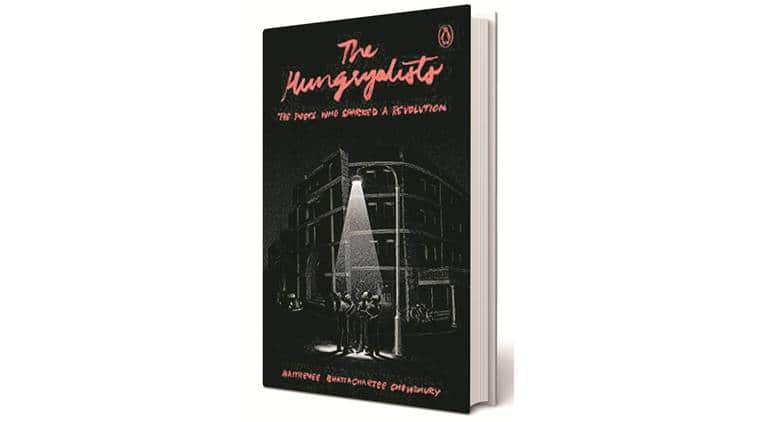
                        The Hungryalists: The Poets Who Sparked a Revolution, Maitreyee Bhattacharjee Chowdhury, Maitreyee Bhattacharjee Chowdhury book review, The Hungryalists: The Poets Who Sparked a Revolution by Maitreyee Bhattacharjee Chowdhury

The Hungryalists: The Poets Who Sparked a Revolution

Maitreyee Bhattacharjee Chowdhury

Penguin Random House

198 pages

Rs 599


In November 1961, a one-page pamphlet, written in English and titled Manifesto of the Hungry Generation was published from 269, Netaji Subhas Road, Howrah, West Bengal. It began by stating, “Poetry is no more a civilising manoeuvre, a replanting of the bamboozled gardens; it is a holocaust, a violent and somnambulistic jazzing of the hymning five, a sowing of the tempestual Hunger.” It went on to declare, “Poetry is an activity of the narcissistic spirit. Naturally, we have discarded the blankety-blank school of modern poetry, the darling of the press, where poetry does not resurrect itself in an orgasmic flow, but words come out bubbling in an artificial muddle. In the prosed-rhyme of those born-old half-literates, you must fail to find that scream of desperation of a thing wanting to be man, the man wanting to be spirit.” Thus was born, perhaps the most debated and certainly the most divisive, “movement” in modern Bengali poetry, that of the Hungry Generation, whose founders and followers were labelled “Hungryalists”.


Three names appeared on top of that first declaration of the need for a new kind of poetic sensibility — Debi Roy (“Editor”), Shakti Chatterjee (“Leader”), and Malay Roychoudhury (“Creator”) — a fourth name, printed at the bottom, that of the publisher Haradhan Dhara, was in fact Debi Roy’s pseudonym. Missing was the name of Malay’s older brother, Samir, who was, in many ways the catalyst for the birthing of the Hungry movement, not least because he brought his friend, the poet Shakti Chatterjee, into it in the first place.


Maitreyee Bhattacharjee Chowdhury’s book is the first full-length study of the Hungryalists and it does a fine job in delineating the contours of a poetic movement whose effects on modern Bengali poetry and culture are yet to be properly evaluated, perhaps because we are still too close to the many turns and twists of the birth, development, maturity, and untimely demise, of the Hungry revolution and its protagonists for a dispassionate assessment. In her Introduction, Bhattacharjee Chowdhury makes it clear that while she will trace a chronological account of the Hungryalists, she is not going to make an attempt “at mapping every little nook and corner visited by these poets… [which] would be… an impossible task and not necessarily rewarding” and also that she will take some poetic licence with the facts because “the story of poetry found and lost is the only personal journey that survives in the end, everything else becomes a myth.”


In a 2015 documentary film on 50 years of the Hungryalist movement, the director, Tanmoy Bhattacharjee, begins by asking Malay Raychoudhury why the Hungry generation’s poetry “failed”, to which the movement’s “creator” retorts, “Who says it has failed? You? Or him? Listen, young man, the movement did not fail. What has failed is society, what has failed is literature.” The Hungryalists attempts to locate the causes of this “failure”, if indeed failure it was, as well as the enduring afterlife of a movement that had all the ingredients of a successful potboiler, with large dollops of love, sex, drugs, intrigue, backstabbing, madness, violence and politics (the Naxalite movement followed close on the heels of the Hungryalists and the split in the Communist Party of India took place whilst the Hungry movement was still on), not to speak of the imprisonment of Roychoudhury and the subsequent international outcry that led to an outpouring of support from some of the leading poets from across the globe.


This is not an easy story to tell, in large part because there are still bitter divisions of opinion regarding the roles played by some the iconic founders of contemporary Bengali poetry (Sunil Ganguly, Shakti Chattopadhyay, Sankha Ghosh, to name just three) in the Hungryalist period, all of whom have their passionate supporters wherever Bengali poetry is discussed, debated, created.


Perhaps, because she is located in a city other than Kolkata (Bengaluru) and because she is not a Bengali poet per se, Bhattacharjee Chowdhury is able to marshal her facts and put forward her opinions with the kind of dispassionate distance that someone located in the midst of the cultural churn of Kolkata’s literati would find difficult, if not impossible, to do. For which her readers should be grateful, even if they may not always agree with her sometimes glib characterisations (e.g. “Bengalis are anyway a timid race, and when attacked physically, the intellect in them is puzzled about the necessity of action”; or “Bengal was a ruin, a confused mess, and writers seemed to be its finest casualties” and analyses (e.g. her discussion of “the easing out of Buddhadeva [Bose] from Jadavpur University”. But, despite these (minor) quibbles, or, perhaps because of them, The Hungryalists: The Poets Who Sparked a Revolution should be essential reading for anyone interested in the history of modern Bengali, indeed modern Indian, poetry in the turbulent era of sex, drugs and rock and roll.


The writer is associate professor, department of Comparative Literature, Jadavpur University, Kolkata